
We will review your website for free and tell you plainly what holds it back.
Get the audit
Photos of your whole catalogue in one style, without a photo shoot
Product photos on a white background and shots in a real setting, ready for your store and your ads. You send the photos you already have, you get the whole catalogue in one style, without renting a studio and without weeks of waiting.
We make product photos without a shoot and without anything being posted to us. The starting point is what you already have: photos taken on a phone, a file with the label artwork, or a technical drawing or 3D model. From that we rebuild the product and construct the scene, the light and the background around it, without changing its shape, its colour or what is written on the packaging. What comes out is photos on a clean background and shots in a setting, for example the product on a countertop or in someone's hand, in one style for the whole catalogue, in formats for your store, for sales platforms and for ads.
How it works, step by step
- 01
You send what you have
One source is enough: ordinary photos, packaging artwork or a technical drawing. You send the product nowhere and pack nothing.
- 02
We rebuild the product and build the scene
Your materials become a faithful model of the product, and around it the light, background and setting. Shape, proportions, colours and label stay exactly as they are in reality. We change the surroundings, never the product.
- 03
You collect the finished files
Photographs on a white background and shots in a real setting, at up to 4K, in four aspect ratios, as JPG and as PNG with a transparent background, plus lightweight versions so the store loads fast. First batch in 5 working days.
A photo shoot costs time you don't have
You shoot product photos on your phone, each one on a different background and in different light, the product page in your store looks accidental, and the store loses credibility. A professional shoot means renting a studio, arranging a photographer and weeks of waiting before anything reaches the site. And the catalogue keeps growing, so in a moment you will be shooting from scratch again.
A full set of photos ready to upload
You get the whole catalogue in one style, the same light, the same background and the same framing in every photo, ready to upload straight away. Product cards stop looking like a pile of photos from different suppliers and start looking like one collection. When a new product arrives, we produce its photos in the same style, with no second shoot and no drift from the rest.
The same photo, two different shops.
Every frame comes in two versions: the photo most stores end up with, and the same photo after our work. Nothing was added to the product, what changed is the light, the background, the scene and the framing.
Drag the slider on the image to reveal the after version.
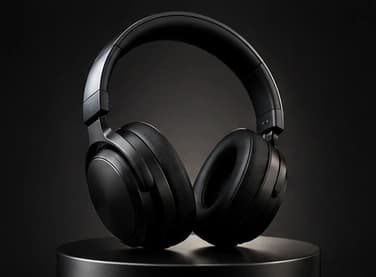
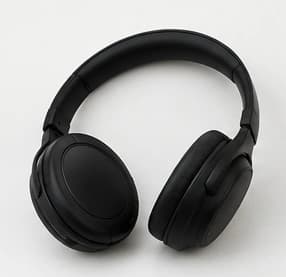
Over ear headphones
A black product on a black background, readable through light alone.
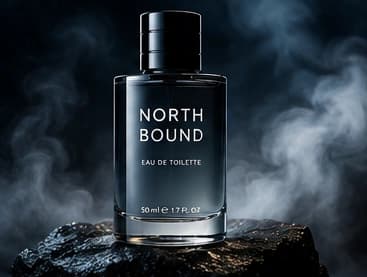
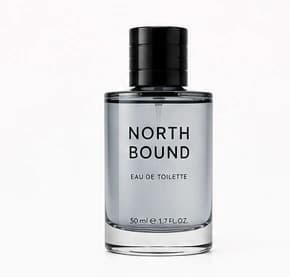
Fragrance
The bottle on stone, in mist, with light running along the glass.
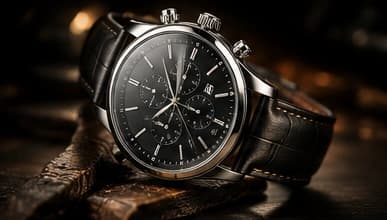
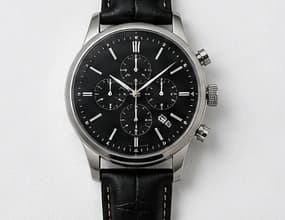
Watch
Warm light, wood and a shadow that shows the depth of the case.
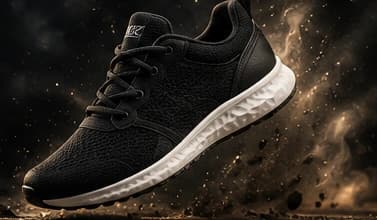
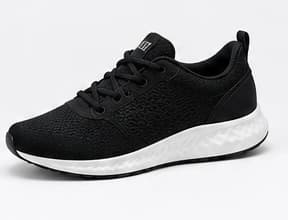
Trainers
The product in the air, sparks and dust, motion instead of a static frame.


Cosmetics
Stone, leaves and a drop of water, the promise of the formula in one frame.
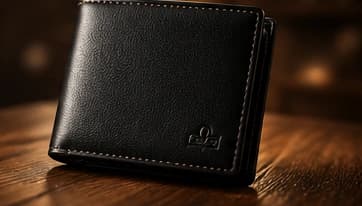
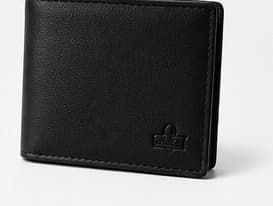
Leather wallet
Warm light and wood pull out the grain of the leather and the stitching.
For a shop we prepare the whole catalogue in one key: the same light, the same set and the same crop on every product card, so the listing reads as one collection rather than a pile of photos from different suppliers.
Exactly what you get
How it works in practice
A wholesaler launching its own store
Photos of three hundred products came from four suppliers, some with the wholesaler logo pasted into the corner, some so small they barely stretch to a thumbnail. We hand over one set of photographs on a white background, in the same light and framing, so the listing stops looking like a patchwork of four sources.
A new collection with a fixed launch date
Stock comes off the line two weeks before the launch, and photos have to exist earlier so product pages and ads can go live. The first batch comes back within a few working days, so sales start on the planned date, not a week later.
The same product across several sales channels
Your store wants a white background, the marketplace wants its own proportions, and a mobile ad wants a vertical crop. From one product you get a photograph on a white background and shots in a real setting, in formats for each of those channels, without arranging a separate session for every place.
When this is the right choice
- Product pages in your store look uneven, because photos come from different suppliers and different years.
- The manufacturer sends watermarked photos, or ones so small they fall apart on a large screen.
- You are launching a collection on a fixed date and photos have to be ready before it, not after.
- You sell in several places at once and each one needs a different format of the same product.
Before you order
Three things that are rarely in anyone's offer, yet decide whether the work goes well: what you need to have, when we talk you out of it, and what the contract rests on.
What we need from you
- Product photos from a few angles, or a label artwork file, or a technical drawing or 3D model.
- A list of products broken down by variant: colour, size, flavour.
- What each product is made of and how it is finished.
- Where the photos will end up: store, marketplace, ads. The ratios and the background follow from that.
When we do not recommend this
- The customer is buying one specific item and has to see that exact grain of wood or weave of fabric. With wood, stone and handmade goods, a shoot with a camera is the honest answer.
- The product exists only as an idea: no photos, no drawing, no packaging artwork.
- You need a photo with a specific person, their face and expression. That is a shoot with a model, not our method.
The terms we work on
- Before the full catalogue we produce one test shot. You approve the light, the background and the framing on it, not on thirty photos.
- A deposit at the start, the rest after the first batch is accepted on larger catalogues.
- We change the surroundings, never the product. Shape, colour and label stay as they are.
- The rights to the photos pass to you, including use in paid advertising and on sales platforms such as Allegro.
- We keep the source files for a year, so adding another format later does not mean starting over.
What to demand from product photography
Which shots a store really needs, and how photos affect the number of returns.
What Allegro and similar sales platforms require from photos
Sales platforms have their own rules, and a rejected photo stops the whole listing from selling. Usually a plain, clean background is required on the main image, with the product filling most of the frame, no watermarks, frames, promotional text or items not included in the set, plus a minimum long edge of around a thousand pixels so zoom works. Lifestyle photos are allowed, but further down the gallery. We prepare the set so the same product passes in your own store and on a marketplace, without building two separate batches.
How many photos one product needs
At least three: a main shot on a plain background, a shot showing scale or use, and a close-up on the detail. For clothing and furniture a fourth, in a real setting, is worth adding. The main shot earns the click from the listing; the rest drive the decision and the number of returns.
How photos affect returns and the cost of handling them
A return costs more than a decent photo: postage both ways, time spent checking the goods, and a product that goes back on sale late. Returns most often come from the gap between expectation and reality, and three omissions cause it. No shot showing scale, so the customer buys something half the size they imagined. No close-up on the material and the finish. And colour pushed in editing. That is why every product gets a shot with scale and a detail shot, and why we never touch the colour.
How to prepare photos so the store does not choke
Images are the heaviest part of a store and the most common cause of slow loading. There are three rules. Upload the file at the size it will be displayed at rather than at full resolution, because the browser will scale it down anyway but will still download all of it. Use modern formats, which weigh noticeably less than JPG at the same quality. Turn on lazy loading for images off screen, so a category listing does not fetch everything at once. That is why the set includes full quality files for print and catalogue separately from lightweight versions for the site.
What it costs
A pack of 25 photographs starts at 900 PLN and 100 photographs at 2,900 PLN. A classic product shoot in a studio costs in Poland from around 2 thousand PLN a day, plus shipping the products, insurance and the wait for them to come back. Our quote depends on the number of colour variants and on whether the product has to be rebuilt from a phone photograph or we are given a technical file.
White background or a scene: what works where
This is not a matter of taste but of placement. On listings and marketplaces a clean, plain background wins, because thumbnails sit side by side and the one that reads fastest wins; some services require white outright. Scenes and shots in a real setting work wherever scale, use or mood have to be shown: on the product card below the first image, in advertising and on social media. That is why both kinds of shot are included rather than one or the other.
Why the whole catalogue at once
Because the value comes from a single visual key. The same light, the same scene and the same framing on every product card make the listing look like one collection rather than a pile of photos from different suppliers.
Questions that usually come up
Are these photos made on a computer? Will the customer notice?
What do I have to send you to get this started?
How much does it cost?
I have three hundred products. How long will I be waiting for this?
And what if I do not like it?
I have the same product in ten colours. Do I pay for each one separately?
Will these photos pass on Allegro and in Google Shopping, or will I have to rework them?
Whose photos will these be? Can I use them in advertising?
I sell jewellery and glass. Does this work for things like that?
More questions from the knowledge base
Prices, without asking about your budget first
25 photographs
from900 zł
100 photographs
from2 900 zł
These are starting figures. The final quote depends on scope, on how much material has to be prepared and on the deadline. We give it after a conversation, together with the deadline and the number of revision rounds in writing.
Show us your catalog
Tell us how many products you have and what today's photos look like. We will send back a deadline and a quote, and before the catalogue starts you will see one test shot.